Chinch bugs in Georgetown lawns
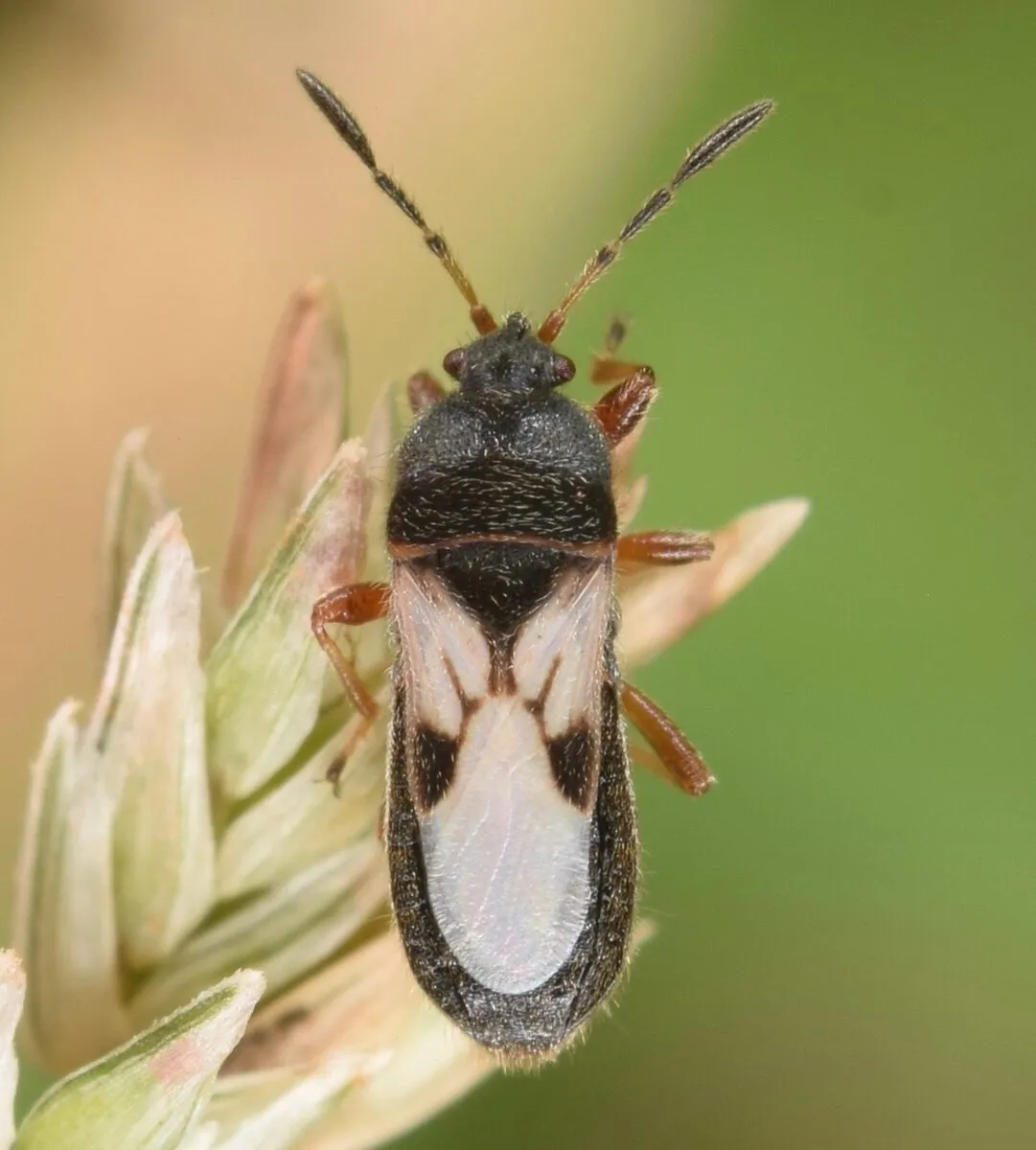
When should you check for chinch bugs?
Scout for chinch bugs from spring through fall, with the worst damage in the hot, dry stretch of summer when they are most active. Damage shows up first in the hottest, sunniest parts of the lawn: next to driveways, sidewalks, and brick exteriors, and where irrigation is lacking. Chinch bugs are the most common St. Augustine pest in Williamson County. Texas A&M AgriLife Extension — Chinch Bug Management in Lawns
Chinch bugs thrive in hot, dry conditions. Because their damage looks almost exactly like drought stress, a Georgetown lawn yellowing in patches despite adequate watering is the first thing to check, before you turn the sprinklers up and make it worse.
One check is not enough. Central Texas summers are long enough for three to five chinch-bug generations a year, and as the season runs on the generations overlap, so all life stages are present at once. AgriLife recommends scouting weekly through the active season rather than waiting for obvious damage.
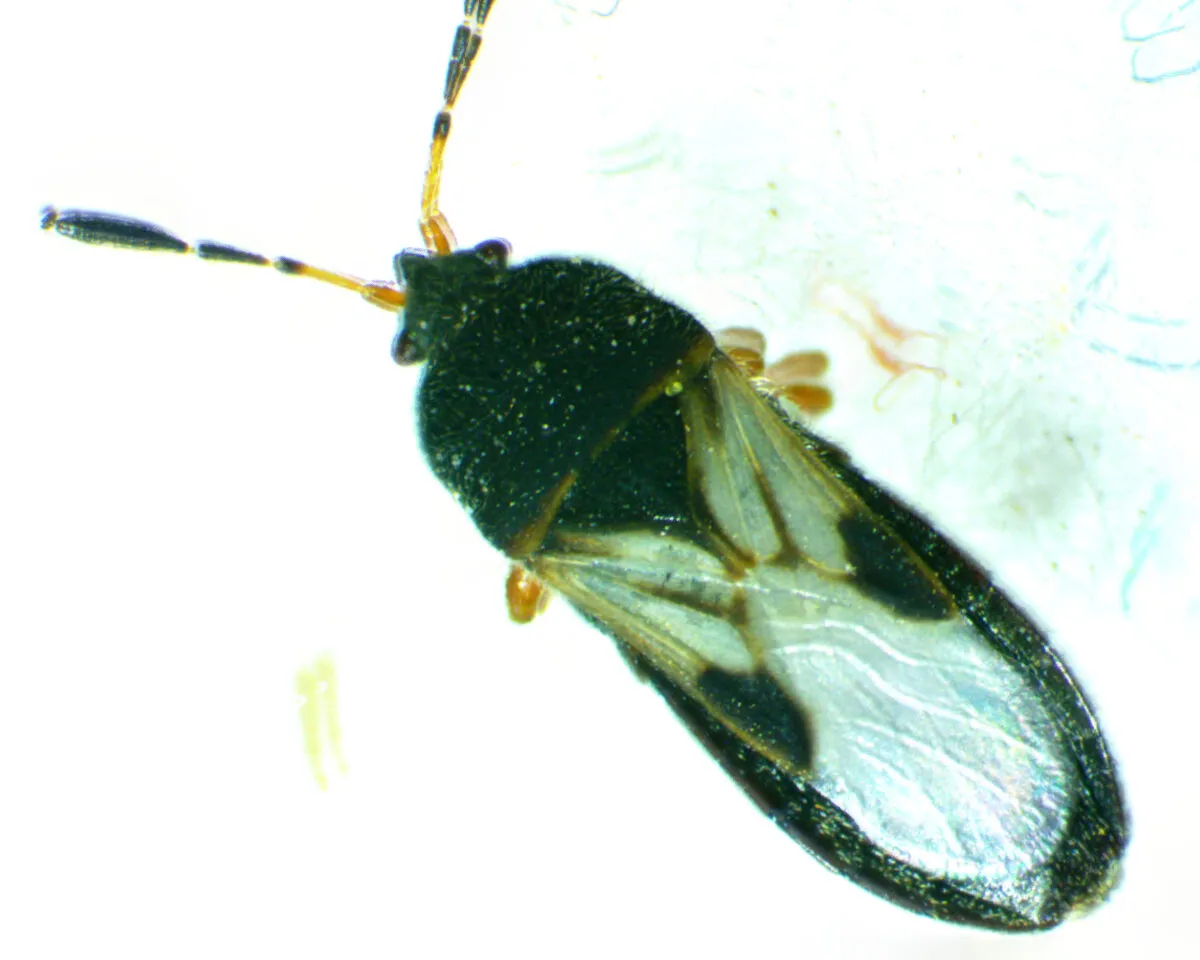
The same bug at high magnification, so the diagnostic marks are clear: a shiny black body, white wings folded over the back with a dark X, and banded antennae. In the lawn it is only about 1/6 inch long.
Chinch-bug damage looks identical to drought stress. If a patch keeps yellowing even though you are watering it, do the coffee-can test below before adding more water, since extra irrigation feeds the heat-loving bugs and makes the damage spread faster.
How do you confirm chinch bugs?
Use the coffee-can float test, the standard AgriLife method that takes five minutes. Remove both ends of a metal coffee can, push it two to three inches into the soil at the edge of a yellowing patch, and fill it with water. Chinch bugs float to the surface within minutes; more than two bugs per four-inch can means an active infestation worth treating. Texas A&M AgriLife Extension — St. Augustinegrass
Push the can in right where green grass meets the stressed area, since that is the active edge where bugs are feeding. The thresholds below summarize when a count crosses into treatment territory.
| Factor | Detail |
|---|---|
| Check window | Scout spring through fall; worst damage in the hot, dry summer |
| Test method | Coffee can, both ends removed, pressed 2–3 in into soil and filled with water |
| Float-test threshold | More than 2 bugs per 4-inch can |
| Visible-damage threshold | About 20–25 bugs per square foot |
| Key signal | Yellowing despite adequate watering |
Yellowing despite adequate irrigation is the key indicator of chinch bugs in St. Augustine. More water makes it worse, not better.
How do you treat chinch bugs?
Confirm an active infestation first, then spot-treat the affected patch plus a few feet of healthy grass around it rather than blanket-spraying the whole lawn. AgriLife favors targeted treatment to conserve the beneficial insects that keep chinch bugs in check. Treat in the early morning, follow the product label exactly, and re-inspect a few days later. Texas A&M AgriLife Extension — Chinch Bug Management in Lawns
Spot-treat, do not carpet-bomb. AgriLife recommends treating only the off-color turf plus the infested grass a few feet out from it, which protects the predators that suppress the next generation. Always read and follow the product label, which governs the rate and timing.
Prevention beats rescue. A lawn watered deeply and infrequently, mowed regularly so you never remove more than a third of the blade, and not pushed with excess quick-release nitrogen resists chinch bugs far better than a stressed one. AgriLife caps nitrogen at three to four pounds per 1,000 square feet per year in full sun, and about two pounds in shade; over-feeding builds the lush, thatchy growth chinch bugs prefer.
Chinch bugs vs. fungal disease — how do you tell?
Timing and shape separate them. If patches appear after heavy rain or wet periods rather than in dry heat, suspect a fungal disease like large patch or brown patch, common in slow-draining Williamson County clay. Fungal patches form circular shapes with yellow-to-orange borders, and diseased shoots pull easily from the sheath; chinch-bug damage spreads as irregular, expanding yellow-to-brown patches in full sun. Texas A&M AgriLife Extension — St. Augustinegrass
An operator with lawn-treatment capability, not just mowing, can tell the difference and apply the right product. Not sure which grass you have, or whether the damage is pests or drought? Start with the grass types guide, then get help from a Georgetown lawn-treatment pro who treats lawns in your neighborhood.